A symbol can be a warning, a declaration, a private language, or an invitation to look beyond the surface. Illuminati symbols carry this force because they stand at the meeting point of history, mystery, ambition, and public imagination. For some, they represent the pursuit of knowledge and self-mastery. For others, they suggest hidden control, forbidden ritual, and elite circles operating outside ordinary view.
The truth is more layered than the viral images suggest. Some symbols have genuine connections to Enlightenment-era ideas and secret-society traditions. Others were adopted later by artists, conspiracy culture, religious movements, and people eager to give visual form to power. Understanding the difference does not remove the mystery. It gives you the discernment to recognize what a symbol is actually saying.
Illuminati Symbols: Why They Command Attention
The historical Bavarian Illuminati was founded in 1776 in Ingolstadt, Bavaria, by Adam Weishaupt. Its stated purpose was rooted in Enlightenment values: reason, education, moral improvement, and resistance to superstition and abuse of authority. The group was suppressed within a decade, but its name outlived its original organization.
That survival happened because symbols travel farther than documents. A secret name, an all-seeing eye, a pyramid, a flame, or an owl can create an immediate feeling that there is knowledge reserved for those who know how to read the signs. Whether someone sees those images on currency, in a music video, on jewelry, or in a private ritual setting, the reaction is rarely neutral.
Symbols also appeal to people who feel ordinary systems have failed them. When money is scarce, recognition is withheld, or institutions seem distant and indifferent, hidden-order imagery can feel like evidence that another path exists. That feeling is powerful. But it is wise to separate personal meaning from claims that any image alone grants wealth, fame, political victory, or supernatural command.
The All-Seeing Eye
No image is more closely associated with Illuminati mythology than the all-seeing eye. Usually shown inside or above a triangle, it is commonly called the Eye of Providence. Its older religious meaning refers to divine watchfulness, spiritual awareness, and the idea that human actions are seen even when no earthly authority is present.
In modern occult and conspiracy language, the eye often represents surveillance, secret knowledge, awakening, or hidden authority. The triangle strengthens the impression of order and hierarchy. Three sides can be interpreted as mind, body, and spirit; past, present, and future; or creation, preservation, and transformation. These interpretations depend on the setting. There is no single universal code.
The eye above the unfinished pyramid on the reverse of the U.S. one-dollar bill is often presented as proof of Illuminati control. Historically, the design was approved as part of the Great Seal in 1782, after the original Bavarian Illuminati had formed but without reliable evidence that the order designed or controlled the emblem. The unfinished pyramid is generally understood to symbolize endurance and a nation still being built. The eye reflects providence, not a documented membership mark.
Yet the symbol remains compelling because it asks a personal question: what do you see when you stop accepting appearances? Used responsibly, the eye can be a reminder to observe patterns, examine motives, and bring your own decisions into the light.
The Pyramid and the Language of Power
A pyramid is built from a broad foundation toward a narrow peak. That physical structure naturally lends itself to ideas about discipline, hierarchy, achievement, and concentrated authority. Ancient Egypt made the pyramid a lasting image of monumental ambition, sacred burial, and power intended to outlast generations.
In Illuminati-themed imagery, the pyramid often signals ascent. The base represents the many pressures and distractions of ordinary life. The rising levels suggest study, strategy, self-command, and access to greater responsibility. The capstone, especially when separated from the body of the pyramid, has become a popular symbol of an elite class or a final stage of initiation.
That interpretation is symbolic, not proof that a single hidden organization controls governments, banks, entertainment, or religion. Real power is usually less theatrical and more complicated. It can come through wealth, relationships, institutions, reputation, expertise, and sustained work. A pyramid symbol may inspire ambition, but it should never replace clear thinking about how influence is actually built.
The Owl of Minerva
The owl is one of the most meaningful symbols linked to the original Bavarian Illuminati tradition. The Order of the Illuminati used Minerva, the Roman goddess of wisdom, as an important figure, and the owl associated with her represented learning, observation, and intellectual sight.
Unlike the eye, the owl does not claim to see everything. It sees in darkness. That distinction matters. The owl represents the patience to notice what others overlook: a changing room, an unspoken motive, a risk hidden behind an attractive offer, or an opportunity concealed beneath confusion.
For seekers of hidden knowledge, the owl is not a command to believe every secret claim. It is a demand for sharper judgment. Wisdom requires curiosity, but it also requires evidence. The person who questions everything except a flattering promise is not awakened. They are simply easier to manipulate.
Light, Flame, and Illumination
The word “Illuminati” comes from the idea of being illuminated. Light symbolism appears across religions, philosophy, art, and esoteric traditions because it expresses revelation. A flame can mean inspiration, purification, inner conviction, danger, or the transfer of knowledge from one person to another.
In ritual imagery, a candle or flame may mark a threshold: the moment someone chooses to leave confusion and pursue a clearer purpose. For a pastor, light may speak to spiritual authority and a congregation seeking direction. For an artist, it may represent the difficult work of finding a voice that draws an audience. For a businessperson or public official, it can symbolize the visibility that comes with leadership, along with the responsibility that visibility demands.
The trade-off is obvious. Light exposes. Anyone who wants influence must be prepared for scrutiny, criticism, and accountability as well as recognition.
The Pentagram and Other Misread Signs
The pentagram is frequently placed under the broad label of Illuminati symbolism, but that connection is often exaggerated. The five-pointed star has appeared in ancient geometry, Christian art, military insignia, ceremonial traditions, and modern spiritual practices. Its meaning changes according to orientation, surrounding imagery, and the beliefs of the person using it.
An upright pentagram is often interpreted as the human form or the harmony of five elements. An inverted pentagram has been used in some modern occult traditions and is frequently treated as a sign of rebellion or transgression. Neither use makes it an automatic proof of Illuminati membership.
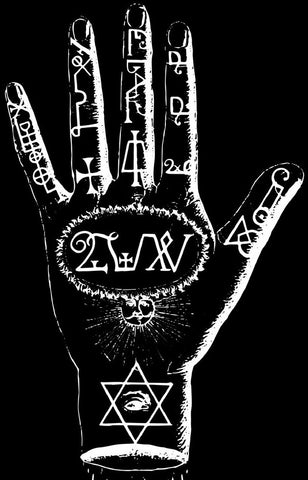
The same caution applies to the number 666, checkerboard floors, horns, black-and-white imagery, and hand gestures. These images may carry deliberate meaning in a particular performance, lodge, religion, or artistic project. They may also be fashion, provocation, coincidence, or borrowed visual language. Context is the gatekeeper.
How to Read a Symbol Without Being Misled
The most useful approach is neither blind belief nor reflexive dismissal. Ask where the image appears, who is using it, what tradition it comes from, and whether the claimed meaning can be supported. A symbol on an eighteenth-century seal, a rapper’s album cover, and a private ceremonial object may look similar while communicating entirely different things.
Be especially cautious when symbols are used to pressure you into urgent payments, private disclosures, or promises of instant transformation. Secrecy can be part of a ritual atmosphere, but secrecy is not evidence of authority. Genuine growth in wealth, leadership, art, faith, or public service still demands skill, relationships, judgment, and consistent action.
The strongest symbol is not the one that frightens the crowd. It is the one that makes you more awake, more disciplined, and harder to deceive. When you encounter the eye, the owl, the pyramid, or the flame, let it sharpen your questions before it shapes your beliefs.