A ritual table is not powerful because it is crowded. It becomes powerful when every item on it has a clear purpose. Ritual magic tools are physical symbols that help direct attention, mark a boundary between ordinary life and deliberate practice, and give form to an intention that might otherwise remain vague.
For the person seeking greater authority, prosperity, recognition, spiritual clarity, or self-command, the temptation is to collect objects quickly. Resist that impulse. A tool that is chosen carelessly can become decoration. A simple candle, a clean glass of water, and a written statement of intent can carry more meaning than an elaborate collection with no discipline behind it.
Ritual Magic Tools Begin With Purpose
Before selecting any tool, name the work you are doing. Are you preparing for a difficult professional decision? Seeking a calmer mind before addressing a congregation, meeting an audience, creating music, or stepping into public leadership? Are you building a private practice of reflection and personal accountability?
The purpose determines the tool. A ritual object is not a substitute for preparation, judgment, skill, or ethical action. It is a way to create a focused moment in which you stop reacting and begin choosing. The strongest ritual practice joins inward attention with visible action in the world.
A musician may use a small candle before writing or performing to signal the beginning of concentrated creative work. A businessperson may place a sealed written goal in a private box, then review it before making a difficult plan. A spiritual leader may use water, incense, or a sacred text to enter prayerful reflection before serving a community. The object does not do the labor for you. It reminds you who you intend to become while doing it.
The Essential Tools for a Private Ritual Space
You do not need a hidden chamber or expensive artifacts to begin. A consistent, private surface is enough. It may be a small table, a shelf, a desk kept clear for the purpose, or a cloth that is unfolded only during practice. What matters is separation. When the space is prepared, the mind receives a signal: this is not a casual moment.
Candles: Light With a Boundary
Candles are among the oldest ritual tools because light changes the atmosphere immediately. Lighting one can mark the opening of a practice; extinguishing it can mark the close. Choose unscented candles if fragrance distracts you, and use a stable holder on a fire-safe surface.
Color can be personally meaningful, but it is not a universal command. White is often chosen for clarity, black for privacy or release, green for growth, gold for confidence, and red for determination. The meaning becomes stronger when you define it yourself and use it consistently. A candle should never be left unattended, regardless of the ritual.
Water and Salt: Cleansing Through Attention
A bowl or glass of clean water is a simple emblem of renewal. Salt is often used as a symbol of preservation, boundaries, and cleansing. Together, they can support a brief opening practice: wash your hands, take a slow breath, and recognize that the concerns of the day do not have to command the next few minutes.
This is not about pretending that water or salt can erase real problems. It is about choosing a deliberate transition. If you are carrying anger, envy, fear, or desperation into a ritual, acknowledge it plainly. Naming a feeling is often more useful than hiding it behind dramatic language.
A Journal and Pen: The Tool That Records the Truth
The journal is the least glamorous and often the most revealing tool on the table. Write the date, your intention, what you did, what you felt, and what action you will take afterward. Over time, this record shows whether your practice is making you more centered, disciplined, and honest – or simply more dependent on ceremony.
Use direct language. Instead of writing, “I will receive unlimited power,” write, “I will prepare thoroughly for Friday’s presentation, make three follow-up calls, and speak without apologizing for my expertise.” Grand ambition is allowed. Precision is what gives it a path.
Symbols and Talismans: Meaning Without Confusion
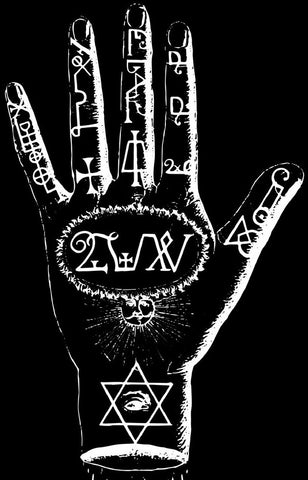
A symbol may be a pentagram, an eye, a geometric figure, a family heirloom, a coin, a piece of jewelry, or an image that represents a personal vow. Its value lies in the meaning you assign and the conduct it calls forth.
Be selective. Symbols associated with religious, cultural, or initiatory traditions deserve respect and context. Do not borrow them merely because they look forbidden or powerful. If you do not understand an emblem, study its history before placing it at the center of your practice. Mystery has value, but ignorance is not mystery.
A talisman can work as a private reminder carried into ordinary life. Touching a ring, pendant, or token before a difficult conversation can remind you to stay composed. That is a real and useful function. Do not let an object become an excuse to avoid necessary decisions, professional help, or honest communication.
How to Consecrate Ritual Magic Tools
Consecration is the act of setting an object apart for a defined purpose. It does not require a theatrical performance. It requires clarity, cleanliness, and repetition.
Begin by physically cleaning the item. Remove dust, fingerprints, packaging, and clutter from the space around it. Then sit quietly for several minutes and state what the item represents. Speak aloud if privacy allows, or write it in your journal. A simple declaration may be enough: “This candle marks my hour of focused work.” “This journal holds my honest account.” “This token reminds me to act with courage and restraint.”
Afterward, use the tool only in ways that match its stated purpose. This consistency is what builds association. If a candle represents focused work, do not light it while scrolling aimlessly through your phone. If a talisman represents confidence, do not use it to inflate a promise you cannot keep. Ritual is weakened when words and actions separate.
Some practitioners add incense, prayer, music, spoken invocations, or a period of silence. These can be meaningful when they help you concentrate. They become noise when they exist only to create an appearance of secrecy. The unseen part of ritual is not spectacle. It is the decision to hold yourself to a higher standard when no one is watching.
Build a Ritual Around Action, Not Fantasy
A useful ritual has an opening, a central intention, and a closing action. Light the candle or arrange the space. State what you are facing. Sit with the question long enough to hear an answer that is not merely wishful thinking. Then identify one action that can be completed within the next day.
For example, if your intention concerns financial stability, the closing action might be reviewing expenses, sending a proposal, applying for a position, learning a marketable skill, or speaking openly with a qualified advisor. If it concerns public recognition, the action may be rehearsing your material, publishing your work, contacting a collaborator, or accepting constructive criticism. If it concerns spiritual authority, the action may be serving people with greater humility and consistency.
This is where many people lose their way. They ask ritual objects to create outcomes while refusing the mundane work that outcomes demand. No candle guarantees wealth. No necklace guarantees fame. No image guarantees an election, an audience, a congregation, or another person’s loyalty. What a disciplined ritual can offer is a protected space to clarify motives, strengthen resolve, and choose wiser conduct.
Keep Your Practice Private, Safe, and Ethical
A private ritual space should increase your sense of agency, not isolate you from reality. Be cautious of anyone who uses fear, secrecy, or pressure to demand money, personal information, blind obedience, or harmful acts. Legitimate spiritual exploration leaves room for consent, reflection, and your right to step away.
Avoid rituals that involve self-harm, harm to others, illegal activity, coercion, or promises of guaranteed control over another person. A tool meant to build discipline should never become a weapon against someone else’s freedom. The line between private symbolism and harmful manipulation must remain clear.
If you are struggling with intense fear, sleeplessness, paranoia, grief, or thoughts of harming yourself or another person, put the ritual aside and reach out to a trusted person or licensed mental health professional. Spiritual practices can coexist with practical support. They should not replace it.
The most valuable object on your table may be the one that asks the least from you and demands the most honesty. Choose a tool, give it one meaning, use it with care, and let the ritual end by sending you back into the world ready to act with clearer purpose.