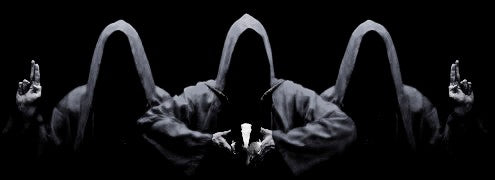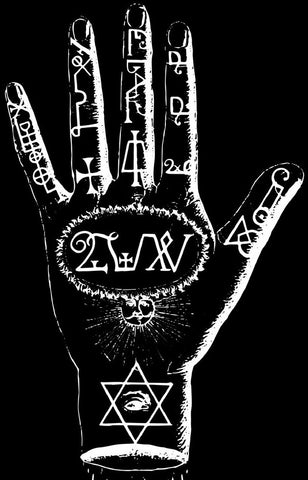
A black candle burns in a video. An all-seeing eye flashes behind the performer. A pentagram appears on a jacket, a stage floor, or an album cover for less than a second. Fans notice. Critics react. Rumors spread. This is why musicians use occult imagery: it turns a song into a symbol, a performance into a ritual, and an artist into someone the audience feels compelled to decode.
Occult imagery has always carried a charged meaning. It suggests forbidden knowledge, hidden authority, rebellion against convention, spiritual searching, danger, and transformation. For musicians competing for attention in a crowded culture, those associations are powerful. But a symbol is not a confession. A skull, eye, sigil, tarot card, or horned figure may be part of a visual concept, a religious reference, a joke, a marketing decision, or a sincere personal belief. The truth depends on the artist and the context.
Why Musicians Use Occult Imagery to Command Attention
Music is heard, but careers are also seen. Long after listeners forget a playlist placement, they may remember a striking album cover or a stage entrance filled with smoke, masks, candles, and cryptic symbols. Occult visual language gives an artist instant atmosphere. It can make a three-minute track feel ancient, dangerous, intimate, or larger than ordinary life.
The imagery works because it is loaded before the performer even says a word. An eye can imply surveillance or awakening. A circle can suggest protection, unity, or an endless cycle. A snake can represent temptation, knowledge, renewal, or menace. Artists use these symbols because audiences bring their own beliefs and fears to them.
That ambiguity is valuable. Pop stars, metal bands, rappers, electronic producers, and alternative artists may all use the same symbol while meaning very different things. One may use it as theatrical decoration. Another may use it to challenge religious authority. Another may be drawing from mythology, esoteric art, horror films, or a private spiritual practice.
A performer who looks ordinary can be overlooked. A performer who creates a world gives fans a reason to return, discuss, interpret, and identify with the work. Mystery becomes part of the product.
The Power of Mystery in a Music Career
Public attention follows stories. Occult imagery invites a story because it leaves an open door. Instead of presenting every meaning plainly, the musician allows the audience to wonder: What does that symbol mean? Is there a message hidden in the lyrics? Is this persona real, or is it performance?
For some artists, the unanswered question matters more than any answer. The audience begins sharing screenshots, decoding references, debating lyrics, and building theories around every visual choice. That conversation can keep a release alive well beyond its first week.
This does not mean every mysterious musician belongs to a secret organization or practices occult ritual. Public fascination often turns ordinary references into grand claims. A triangle in a photograph, a symbolic hand gesture, or a dark lyric may be interpreted as evidence of hidden allegiance when it may simply reflect a stylistic choice. Suspicion travels faster than nuance, especially online.
Still, artists understand that mystique has commercial value. The music industry has long sold transformation: the shy teenager becomes a star, the overlooked singer becomes an icon, the unknown producer becomes a name that fills arenas. Occult imagery intensifies that transformation. It presents fame as initiation into a hidden realm where the rules are different.
Rebellion Has a Visual Language
Occult symbols also help musicians signal resistance. Rock and metal artists have used dark religious and supernatural imagery to confront censorship, hypocrisy, moral panic, and social control. In hip-hop and pop, similar imagery may be used to claim self-possession, sexual autonomy, or freedom from expectations placed on the artist.
The reaction is often part of the design. When authorities, commentators, or parents condemn a visual, it can make the artist more compelling to listeners who feel judged or excluded themselves. The symbol becomes a badge: you are not required to accept the old rules.
That strategy has a cost. Shock can bring attention, but it can also overwhelm the music. An artist who relies only on controversy may attract clicks without building trust, skill, or a lasting fan base. The strongest visual identities support the songs rather than distract from them.
Symbolism, Belief, and Artistic Persona
Not every musician who uses occult imagery is making the same statement. It helps to separate three overlapping possibilities: symbolism, personal belief, and persona.
Symbolism is the broadest category. A musician may borrow imagery from alchemy, astrology, folklore, tarot, ancient religions, Gothic literature, or horror cinema because it suits the emotional world of a record. A breakup album may use a burning rose. A song about ambition may use a crown, a serpent, or a staircase. These are visual metaphors.
Personal belief is different. Some artists genuinely study spiritual traditions or incorporate rituals, meditation, divination, ancestral practices, or religious ideas into their creative lives. That does not make every lyric a coded doctrine, and it does not grant supernatural proof to every claim made around their image. It simply means music can be one place where spiritual questions are expressed.
Persona is the third layer. Musicians often build a character for the stage. Costumes, masks, alternate names, dramatic interviews, and symbolic imagery can create distance between the private person and the public performer. The persona gives the artist permission to be bolder, stranger, darker, or more vulnerable than they may be in daily life.
The most interesting artists often let these layers blur. Fans cannot always tell where the costume ends and conviction begins. That tension creates magnetism, but it also calls for discernment. Do not mistake a carefully directed visual campaign for direct evidence of a musician’s private life.
Why the Same Symbols Keep Returning
Occult imagery survives because it is flexible. It belongs to no single genre and no single generation. A tarot card can look romantic in a folk singer’s artwork, threatening in a metal video, glamorous in a pop campaign, or surreal in an electronic set.
Certain symbols return because they speak to recurring human desires: to be seen, to gain power over uncertainty, to escape limitation, to understand death, to find love, to become someone new. Musicians are often drawn to these themes because songs themselves are forms of transformation. A voice enters a room, changes the mood, and makes private emotion feel shared.
There is also a practical reason. Strong symbols are easy to reproduce across posters, merchandise, videos, stage design, social media, and fan communities. A recognizable emblem can become shorthand for an entire era of an artist’s career. When used well, it gives followers a visual language of belonging.
How to Read Occult Imagery Without Falling for Every Rumor
Curiosity is healthy. Certainty without evidence is not. If a musician’s imagery catches your attention, start with the work itself. Read the lyrics, examine the album’s themes, and consider the genre, historical references, and visual collaborators involved. A single symbol rarely tells the whole story.
Ask whether the image appears as part of a consistent artistic world or whether it is isolated decoration. Notice whether the musician explains its meaning, leaves it deliberately open, or uses it mainly to provoke a reaction. Context will reveal more than a viral clip or a dramatic headline.
It is also wise to respect the difference between art and instruction. Dark imagery can be emotionally intense, especially for young listeners or people in a vulnerable season. If a visual leaves you frightened, pressured, or obsessed, step back. Music should expand your imagination, not take control of your judgment.
For musicians, the lesson is equally clear: symbols carry consequences. Occult imagery can make an artistic identity memorable, but borrowed symbols deserve research and care. Using sacred traditions as empty decoration can alienate people. Using mystery with intention can create a deeper connection.
The strongest artists do not need rumors to give their work power. They use image, sound, and story with enough purpose that the audience feels the invitation, then chooses what meaning to carry forward.